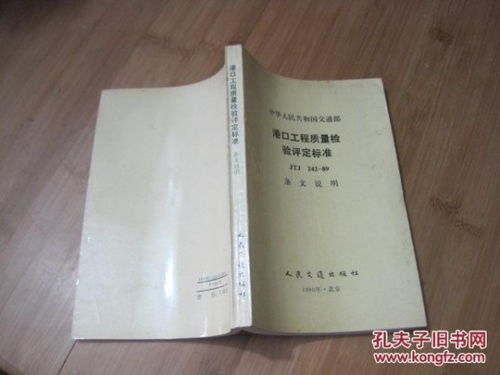
The Electrical Installation Engineering Quality Inspection and Assessment Regulations (2017 Edition) represent a critical update to the national standards governing the construction and commissioning of electrical systems in buildings. As part of the broader framework of building engineering quality control, these regulations, often referenced under identifiers like No. 45, set forth comprehensive procedures for inspection, testing, and final assessment to ensure safety, reliability, and compliance with technical specifications.
The 2017 revision incorporates advancements in electrical technology, updated safety protocols, and aligns with international best practices. It provides a systematic methodology for quality verification at each stage of an electrical installation project—from material acceptance and concealed works inspection to final system commissioning and performance evaluation. Key areas covered include wiring systems, protective devices, earthing and bonding, lighting installations, and specialized systems for different building types.
In the context of Building Engineering Quality Inspection and Evaluation Consultation, these regulations serve as the authoritative technical basis. Consultants and quality assessment agencies rely on them to:
- Establish Inspection Criteria: Define clear pass/fail benchmarks for every component and subsystem.
- Guide the Inspection Process: Outline mandatory tests (e.g., insulation resistance, earth continuity, polarity checks) and the required sequence of inspections.
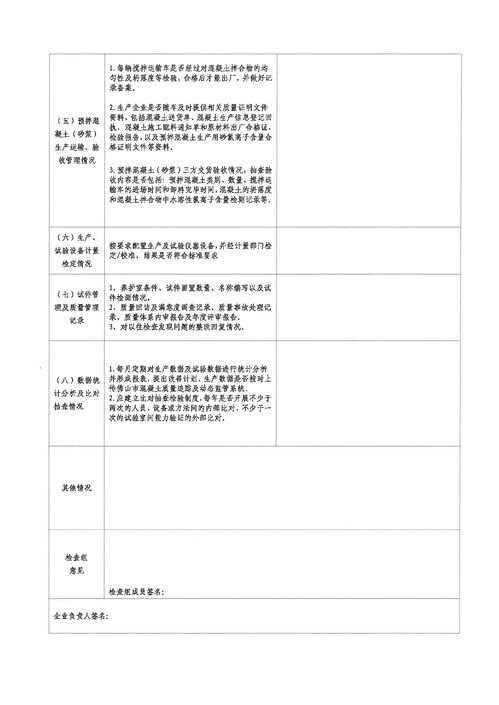
- Standardize Documentation: Specify the records, certificates, and reports that must be generated to certify compliance.
- Support Dispute Resolution: Provide an objective standard against which installation quality can be judged in case of defects or non-conformance.
The English version of this regulation is particularly vital for international projects, joint ventures, and consultants working in global markets. It ensures that all stakeholders—clients, contractors, and inspectors—share a common, unambiguous understanding of the quality requirements. Adherence to the 2017 Edition, No. 45 not only mitigates risks of electrical failures and hazards but also forms the foundation for a robust building engineering quality management system, ultimately safeguarding property and human life.